16 Aug Nordic countries lead global efforts in sustainability
As global commitments towards sustainability rise, the Nordic region spearheads advances into combating climate change and creating circular economies
As their individual economies heal from the effects of the COVID-19 pandemic, countries around the world are looking towards creating a more sustainable model to mitigate future shocks and better handle the ebb and flow of industry and trade. In terms of sustainability, Nordic countries are far ahead of the game. The United Nations Environment Program was launched in Stockholm in 1972 and has been followed by steady commitments, including adopting the United Nations’ Sustainable Development Goals in 2015. Norway has long been hailed as the most sustainable nation on the planet, with neighboring nations trailing closely behind. The region leads the way in terms of leadership in governance, innovation, human capital and environmental indicators. With a return to normalcy, Nordic countries are expecting a spike in investments to continue creating a better world of tomorrow.
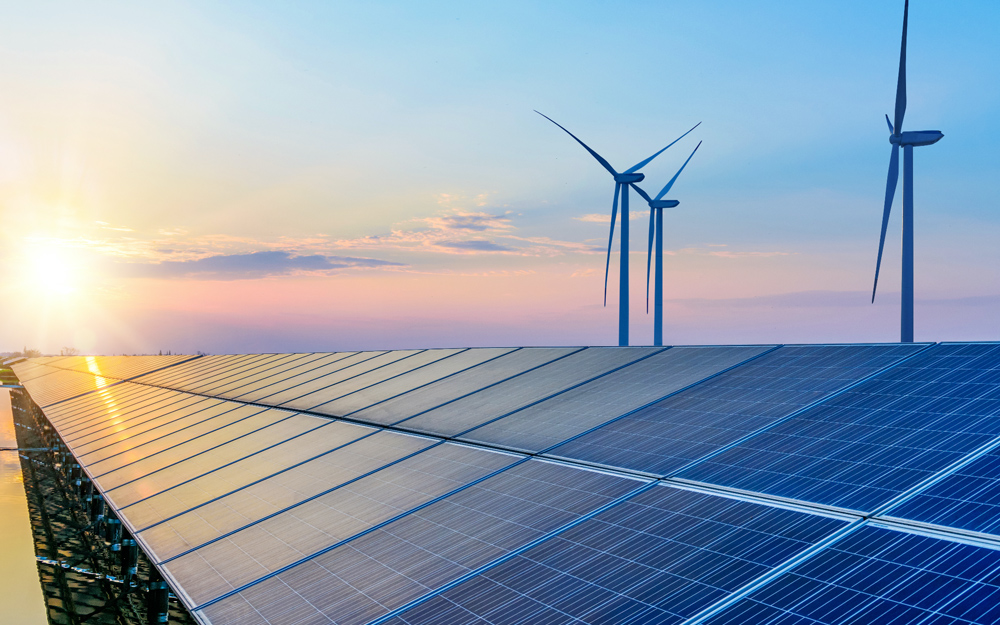
The EU aims to be climate neutral by 2050, a mandate that Nordic countries are far ahead of. Norway’s government approved a proposal to push down carbon emissions to a net-zero producer by 2030. Hydropower already takes up 95% of the country’s energy production. The nation has also taken a hard stance on cars using fossil fuels by banning their sale. The government has mandated that all vehicles in circulation must be powered by green energy by 2025. Denmark has made waves in its environmental strategy and cut carbon emissions in half since 1996. The country receives around 47% of its energy through wind power. Finland has set an ambitious goal to become carbon neutral by 2035, with carbon emissions falling to a record low in 2020. However, the federal government has said that larger steps must be taken to cut household- and agriculture-related carbon emissions.
All efforts are part of a collaborative drive between Nordic nations to be the most sustainable and integrated nations in the world by 2030. The plan drawn up in 2019 has three pillars: transitioning to green economies, guaranteeing competitiveness in the region and promoting social sustainability. “The Nordic countries have the possibility to assume global climate leadership, and that is a role that we are ready to play,” said Kátrin Jakobsdóttir, prime minister of Iceland, after the vision was put in place. So far efforts have been made to promote a circular economy, including the Finnish roadmap to achieve a circular economy by 2025 put in place in 2016. The plan includes developing a sustainable food framework and circular loops in forestry, innovation and logistics. Although Finland was the first Nordic nation to propose such a venture, other nations are following suit.
Worldwide sustainability investments have skyrocketed in recent years. According to the Global Sustainability Investment Review 2020, strategies relating to sustainability have increased by 15%. In the U.S., Canada, Japan, Australia and Europe, investments have grown to USD 35.3 trillion, more than a third of the countries’ assets. Currently, Nordic countries sit at the top of the food chain and are looked on as examples of how to impose positive changes in policy and communal trends. With renewed commitment, the world waits to see how high these nations will set the bar.
Sorry, the comment form is closed at this time.